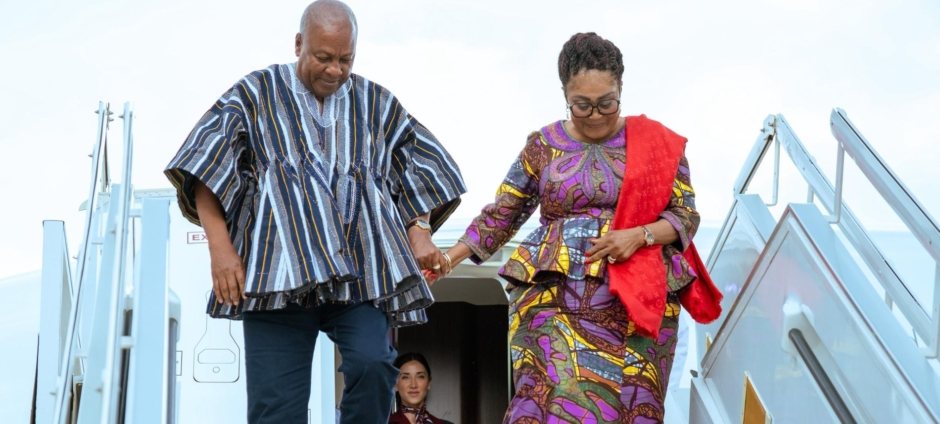
Today marks another Fugu Wednesday—that weekly national flex declared by Tourism Minister Abla Dzifa Gomashie to celebrate and promote the batakari/smock/fugu after it became a global talking point. In Ho and across Volta, we’ve always appreciated this hand-woven northern garment for its craftsmanship, prestige, and how it blends seamlessly into our regional pride. But let’s rewind to what actually sparked all this, because the real story is bigger than banter.
The Spark (Early February 2026)
President John Dramani Mahama arrived in Lusaka, Zambia, for a state visit proudly dressed in a classic fugu: a poncho-style outfit made from narrow strips of thick, hand-woven cotton—traditionally worn by northern Ghanaian men of status, warriors, and leaders for generations. It’s masculine, regal, and deeply cultural, especially in the north (and appreciated far beyond, including here in Volta).
Some Zambian users on X spotted photos of his arrival and mocked it, calling it a “blouse” (implying it looked feminine or like women’s clothing). Posts like “What blouse is he wearing?” went viral, sparking outrage in Ghana. Ghanaians fired back fiercely: this isn’t a blouse—it’s heritage, worn by kings, fighters, and now our president at the UN just months earlier (September 2025). Memes, roasts, history lessons, and pride posts flooded timelines. It became instant cross-border cultural clash.
How It Escalated—Then Flipped Positive
Zambia’s President Hakainde Hichilema stepped in during the Ghana-Zambia Business Forum, praising the design: “I love it… we’ll be ordering more fugu from Ghana.” That turned shade into potential business.
Back home, the response was electric:
MPs showed up in colorful fugus in Parliament.
Informal “Fugu Friday” trends popped up.
The Tourism Minister officially declared every Wednesday as Fugu Day to project Ghanaian identity globally.
President Mahama highlighted the boost for northern weavers, artisans, and the fashion industry—hinting at exports (even to Zambia!).
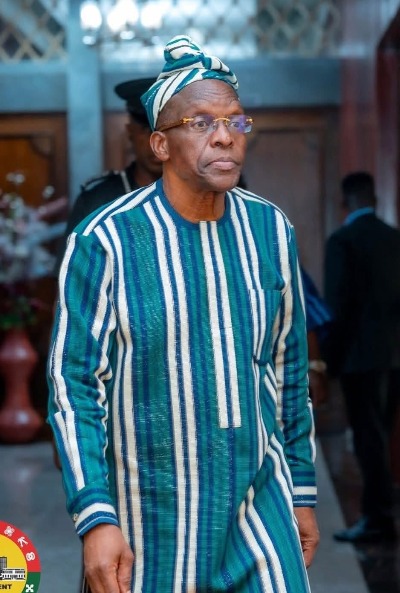

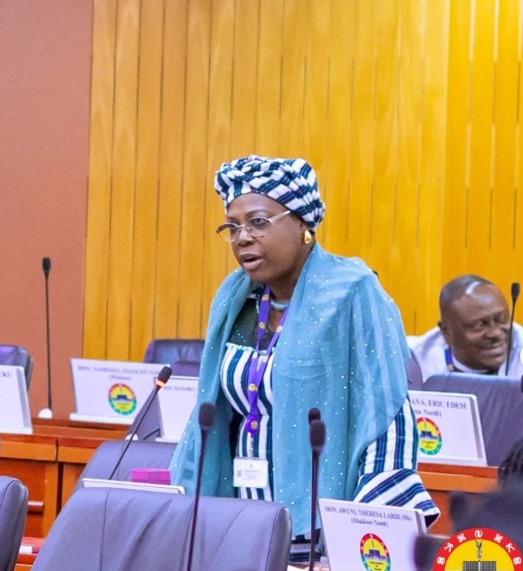
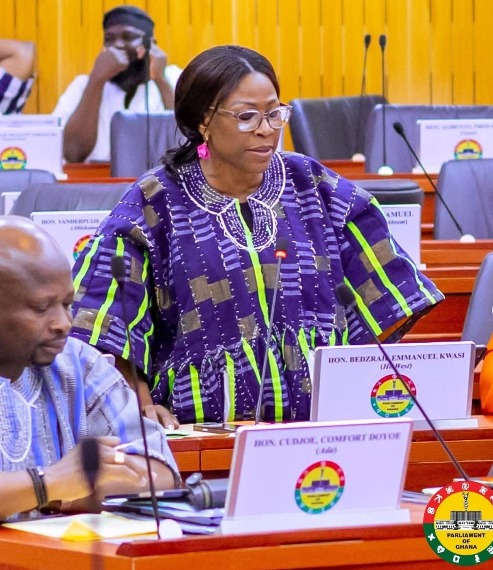
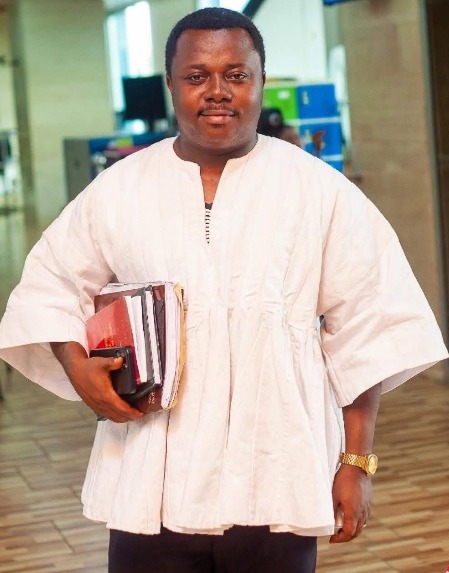
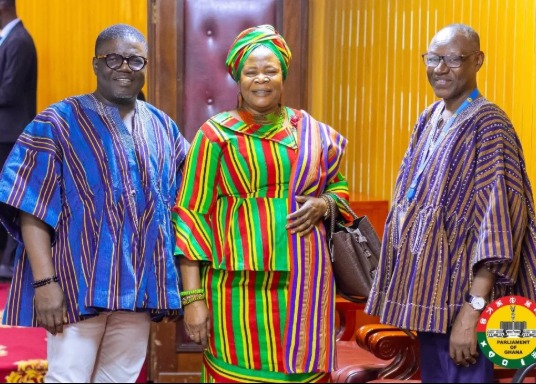
Some Ghanaian mps showed up in parliament in their fugu. Image by Parliament of Ghana
What started as ignorance/mockery flipped into massive national unity (cutting across politics, regions, and tribes), cultural promotion, and economic optimism. Ghana mobilized as one—defending, celebrating, and elevating the fugu like never before.
The Zambian Bridge: @ukusefya’s Full, Heartfelt Post
Amid the noise, one Zambian voice stood out for maturity and warmth. Sampa Kabwela (@ukusefya), a publisher and artist, posted a thoughtful piece titled something along the lines of “Ode to the regal Fugu — and an apology to Ghana.” It acknowledged the hurt, offered a sincere apology on behalf of his country, and emphasized deep, pre-existing admiration between our people.
Here’s the full essence of what he shared (paraphrased and quoted where it hits hardest, with credit to his original X post/thread from around February 5–7, 2026):
“My social media feed has been filled with anger from Ghanaians who feel hurt and disrespected after some Zambians, in a display of extraordinary ignorance and regrettable social media behavior, mocked the Fugu by calling it a blouse.
To my Ghanaian brothers and sisters: I understand your outrage. You have every reason to feel personally offended. The Fugu is a piece of your identity, dignity, and culture woven into fabric.
The Zambians who mischaracterized the Fugu are few, and they are genuinely ignorant of Ghanaian culture and traditional attire. Do not judge Zambia by the noise of a handful of people who hide behind social media to mock, insult, and chase likes.
I speak for millions of Zambians when I say we hold deep admiration for Ghana—your history, your culture, your people, your food, and even your politics.
Ghana is not foreign to us. Many Ghanaians have made Zambia their home. There is a thriving Ghanaian community in Zambia. Some have married Zambians. Some are prominent businesspeople. They are part of us.
One of the most respected and beloved figures in our media industry was a Ghanaian-born journalist and trainer, Edem Djokotoe, who lived and worked among us for three decades. When we lost him to cancer on 18 August 2022, Zambia mourned the loss of one of its own. Thousands paid tribute. The Government of Zambia recognized his contribution. That is the relationship between Ghana and Zambia.
So why mention all this? Because while a few Zambians may not recognize the regal Fugu, they know and love many other parts of Ghana.
We wear Kente and Ankara proudly at weddings and ceremonies, often declaring with pride that it’s original and from Ghana. We love raw shea butter on our skin and hair. We know your naming traditions; that Kwame is a boy born on Saturday. We know your film stars: Van Vicker, Jocelyn Dumas, Peter Mensah. We learned about Kwame Nkrumah in school. We grew up watching Abedi Pele, Michael Essien, and Tony Yeboah on the football pitch. We are fascinated by your rich, dignified, eccentric and flamboyant funeral traditions.
This moment, though unfortunate, is an opportunity for us to know each other better. Let us interact more deeply as Africans beyond official state visits. Let our broadcasters and content creators tell more African stories.
May I propose that the Fugu, along with other traditional attires from across the continent, be embraced and celebrated as proudly African attire everywhere.
On behalf of my country, I offer an apology. We should never use platforms built elsewhere to demean one another.
One Africa. One People.
Long live Ghana. Long live the royal and regal Fugu.”
What could have stayed petty trolling became dialogue because voices like @ukusefya cut through with empathy instead of defense. In Volta, we know cultural blending—northern fugu alongside our own traditions—and this reminds us: mockery from a few doesn’t erase shared history or potential. The real win? Ghana turned hurt into heritage promotion, Zambia got a cultural education (and possible trade), and Africa got a reminder that unity starts with respect across borders.
Today on Fugu Wednesday, wear yours proudly—whether in Ho, Accra, or wherever. Share your pics, tag a Zambian friend, or drop your take: How else can we celebrate African attire continent-wide? This Hangover says: From blouse jokes to One Africa pride. 🇬🇭🤝🇿🇲