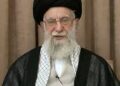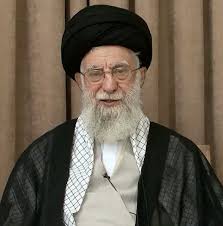
Ali Khamenei, Iran’s Supreme Leader since 1989 (nearly 37 years), was killed on February 28, 2026, in a massive joint US-Israeli airstrike on his Tehran compound. This came amid escalating tensions over Iran’s nuclear program, proxy conflicts, and failed diplomacy. Iranian state media confirmed his death early March 1, declaring 40 days of mourning and labeling it “martyrdom.” The strikes—part of Operations Epic Fury (US) and Roaring Lion (Israel)—targeted leadership, military sites, missile facilities, and remnants of nuclear infrastructure, killing dozens of top officials (including IRGC commanders, defense minister, and others). Iran retaliate with missile barrages on Israel, US bases in the Gulf (Bahrain, Kuwait, Qatar, UAE), and regional targets, causing dozens of deaths (including US troops) and disrupting oil flows. Death toll in Iran hit at least 555 from ongoing strikes into March 2, with civilian hits (e.g., a school near a base killing over 100 girls). Trump called it eliminating threats and urged Iranians to “take over your government”; Netanyahu hailed destroying Khamenei’s compound. Strikes continue, with Trump vowing uninterrupted
bombing “as long as necessary.”
Khamenei’s Rise
From a modest clerical family in Mashhad (born 1939), Khamenei rose through anti-Shah activism (arrested multiple times), became Khomeini’s close ally post-1979 Revolution,
served as president (1981–89), survived a 1981 assassination attempt (paralyzed arm), and was elevated to Supreme Leader in 1989 despite not being a top marja’.
He centralized power via the IRGC, crushed protests (2009 Green Movement, 2022 Mahsa Amini), and pursued hardline anti-US/Israel policies.
Nuclear Journey & Escalation
Iran’s program began under the Shah with US help (1950s Atoms for Peace). Post-revolution, it went covert (late 1980s A.Q. Khan tech), exposed in 2002, leading to sanctions
and IAEA scrutiny. JCPOA (2015) limited it for sanctions relief, but Trump’s 2018 withdrawal triggered Iran breaching caps—enriching to 60% by 2021, breakout time near zero
by 2025. Covert shadow wars (Stuxnet 2010, scientist assassinations, Soleimani 2020) preceded 2025’s 12-day exchanges (US/Israel bombed facilities). 2026 strikes aimed to
dismantle what’s left, but experts note limits: highly enriched uranium stockpiles (enough for ~10 weapons if further processed) may survive underground, harder to track post-bombing.
The Hangover: Leadership Vacuum & Regional Fallout
A three-person interim council (President Masoud Pezeshkian, Judiciary Chief Gholam-Hossein Mohseni-Eje’i, cleric Alireza Arafi) runs things temporarily per constitution.
The 88-member Assembly of Experts will pick a successor—possibly in days via remote vote—but chaos reigns: strikes killed potential picks (e.g., Arafi reportedly hit early,
though unconfirmed; others like Ali Asghar Hejazi). Contenders include: Mojtaba Khamenei (son, IRGC-backed, dynastic but opposed by father),
Moderates like Hassan Khomeini (founder’s grandson), Pragmatists like Ali Larijani or Gholam-Hossein Mohseni-Eje’i.
IRGC could dominate if clerics falter, risking civil war, defections, or coup. Iran’s “Axis of Resistance” weakens: Hezbollah/Houthis/Hamas lose funding/leadership support. Opportunities for de-escalation if moderates negotiate nuclear curbs for relief; risks include prolonged war, regime collapse (refugees, instability), or Sunni powers (Saudi) gaining ground.
Hangover Takes
From CO News, this echoes how distant power plays ripple: oil shocks could hit Ghana’s economy hard (Gulf disruptions), plus migration/refugee echoes from conflicts. Khamenei’s long rule showed power’s trap—nuclear hedging for security invited devastation.
The real hangover? Iran faces renewal (reformist shift) or harsher control (IRGC takeover). US-Israel
actions reshape maps, but civilian costs mount. X buzz: mourning chants, jihad calls, speculation on quick successor picks, fears of wider war.
What’s your take—hope for change or more chaos?